
Difference Between Warehousing and Storage
When you run a business, keeping your products safe matters a lot. You need to decide where to keep them. Two common options come up: warehousing and storage. Many people think these words mean the sa
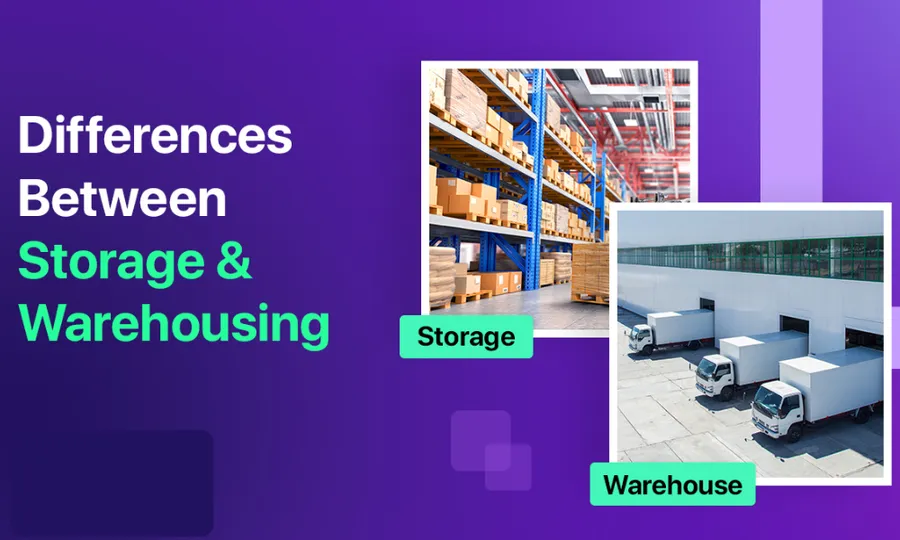
November 28, 2025 · By PrepFort TeamWhen you run a business, keeping your products safe matters a lot. You need to decide where to keep them. Two common options come up: warehousing and storage. Many people think these words mean the same thing, but they don't. Each one works differently and helps businesses in unique ways.
Warehousing offers complete supply chain solutions with professional teams managing your inventory daily. Storage gives you basic space at lower costs for items you access less frequently. Knowing the difference can save you money and make your work easier. But which option truly fits your business needs and helps you grow faster?
What is Storage?
Storage is a simple way to keep your things safe. Think of it like renting a room where you put your stuff and lock the door. You might use storage when you have extra items that don't fit in your home or office. The main job of storage is to give you space and keep your things protected from damage or theft.
Storage facilities work best when you need to keep items for a long time. Maybe you have seasonal products that you only sell during certain months. Or perhaps you have extra inventory that you'll use later. Storage units come in many sizes, from small lockers to big rooms, so you can pick what fits your needs.
What is Warehousing?
Warehousing goes far beyond just keeping items in one place. It's like having a full team that manages your products every single day. A warehouse doesn't just store things. It tracks what you have, organizes everything, prepares items for shipping, and sends them to customers quickly when orders come in.
Modern warehousing solutions include smart technology that helps businesses grow. Companies use warehouses when they need to move products fast and want professional help with their inventory. This makes warehousing perfect for online sellers and growing businesses that ship items regularly.
Key Differences Between Warehousing and Storage
Now, let's break down exactly how warehousing and storage are different from each other:
Functionality and Services
Warehousing brings you lots of extra help. Workers track your inventory, pack orders, label boxes, and ship products directly to your customers. They handle returns and keep detailed records of everything. Storage facilities just give you space and maybe some basic security. You do all the packing and shipping work yourself.
Capacity and Scale
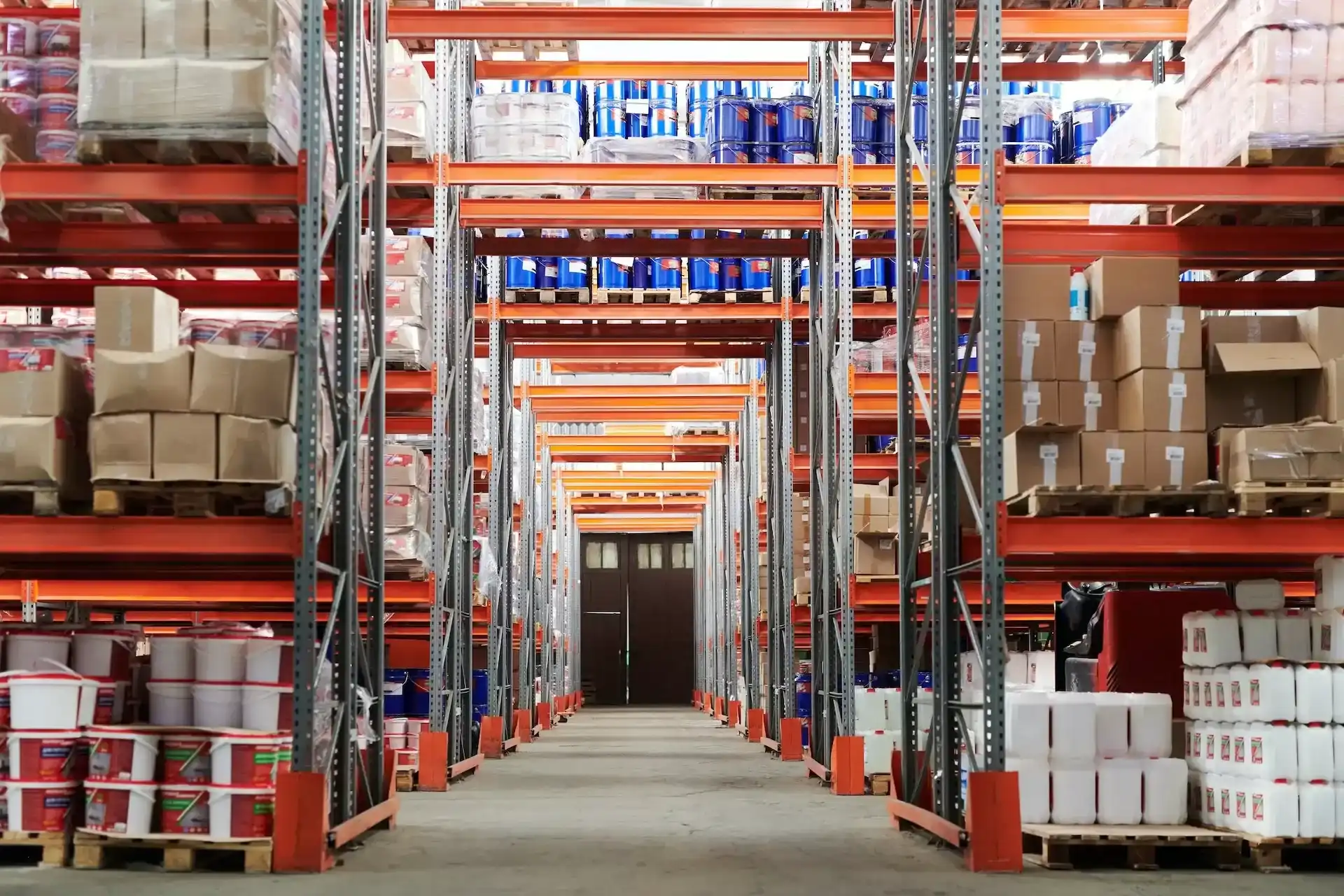
Warehouses are huge buildings designed to hold thousands of items. They use special racks, forklifts, and organized systems to make the most of every inch of space. Storage units are much smaller, usually just enough room for a personal collection or small business inventory that stays mostly still.
Duration of Storage
Here's something interesting: warehousing actually works better for shorter periods. Products come in and go out quickly, sometimes within days or weeks. This quick turnover helps businesses stay fresh and meet customer demands. Storage is better when you need to keep things for months or even years without moving them much.
Cost Considerations
Warehousing costs more money because you're paying for services, not just space. You get inventory management, shipping help, and technology that tracks everything. Storage is cheaper since you only pay for the room and basic protection. For businesses that need active help, warehousing actually saves money by making everything run smoothly.
Security Measures
Both options keep your stuff safe, but warehouses go further. They have cameras everywhere, guards who check people coming in, and special systems that track who touches what. Many warehouses also have insurance to protect valuable items. Storage units usually have locks and maybe some cameras, but not the full security team that warehouses provide.
Location and Accessibility
Companies place warehouses in smart spots near highways and airports. This makes shipping faster and cheaper. If you're running Amazon FBA prep services or need quick delivery, location matters a lot. Storage facilities can be anywhere, even far from main roads, because people don't access them as often.
Types of Warehousing Facilities
Different businesses need different types of warehouses. Here are the main types you'll find:
Distribution Centers
These warehouses focus on moving products super fast. Items arrive in the morning and ship out by evening. Distribution centers work great for companies that need e-commerce fulfillment services. They sort, organize, and send products exactly where they need to go without delay.
Cold Storage Warehouses
Some products need to stay cool or frozen. Food, medicine, and certain beauty products require special temperature control. Cold storage warehouses maintain the perfect environment to keep these items fresh and safe until they reach customers.
Fulfillment Centers
Online sellers love fulfillment centers. These warehouses specialize in picking products, packing them nicely, and shipping directly to buyers. When someone orders from your website, the fulfillment center does all the work. This lets you focus on marketing and growing your business instead of worrying about shipping boxes.
Services Offered in Warehousing vs Storage
Let's look at what you actually get with each option:
Warehousing Services
Professional warehousing gives you tools to run your business better. You get real-time tracking that shows exactly what you have in stock. Workers pick and pack orders according to your specifications. They can add labels, create custom packages, and handle special requests. Many warehouses offer 3PL services that manage your entire supply chain from start to finish.
Storage Services
Storage keeps things simple. You rent a space, put your items inside, and lock it up. Some storage places let you access your unit anytime, while others have set hours. That's about all you get, but sometimes simple is exactly what you need.
How to Choose Between Warehousing and Storage
Making the right choice depends on your specific situation. Let's figure out what works best for you:
Key Factors to Consider
Think about how often you need to access your products. If you're shipping items every day or week, warehousing makes sense. If your stuff sits untouched for months, storage saves you money. Consider how much inventory you have and whether it changes regularly.
Look at your budget too. Can you afford the extra services that warehousing provides? Will those services actually help your business grow? Sometimes spending more upfront saves money later by making your operations run smoothly.
Best Use Cases
Choose warehousing when you sell products online, especially through platforms like Amazon or Shopify. If you need help managing inventory and getting orders out quickly, a warehouse becomes your best friend. Growing businesses that can't handle logistics alone benefit hugely from crowdfunding fulfillment and professional warehouse services.
Pick storage when you have extra furniture, seasonal decorations, or products you'll use much later. Small businesses with low order volume might prefer storage until they grow bigger. It's also perfect for keeping backup inventory that sits idle most of the time.
Conclusion
Understanding the difference between warehousing and storage helps you make smart choices for your business. Storage gives you basic space at a lower price, while warehousing provides complete solutions with professional help, advanced tracking, and shipping services. Think about what your business really needs right now and where you want to go in the future. The right choice can make your work easier and help you serve customers better.
Ready to take your business to the next level? Discover PrepFort's intelligent fulfillment solutions and streamline your logistics today!
FAQs
What is the main difference between warehousing and storage facilities?
The main difference is in the services provided. Warehousing includes inventory management, order fulfillment, packing, and shipping services. Storage only provides space to keep your items safe without additional services.
Is warehousing more expensive than storage?
Yes, warehousing costs more because you pay for extra services like inventory tracking, packing, and shipping. However, these services often save money by making your business run more efficiently.
Which is better for e-commerce businesses?
Warehousing is better for e-commerce because it handles order fulfillment, tracks inventory, and ships products directly to customers. This lets you focus on growing your sales instead of packing boxes.
Can small businesses use warehousing services?
Absolutely! Many small businesses use warehousing to grow faster. Third-party logistics providers offer flexible plans that work for businesses of all sizes, so you only pay for what you need.