
FBA vs FBM: Which Fulfillment Method is Right for You?
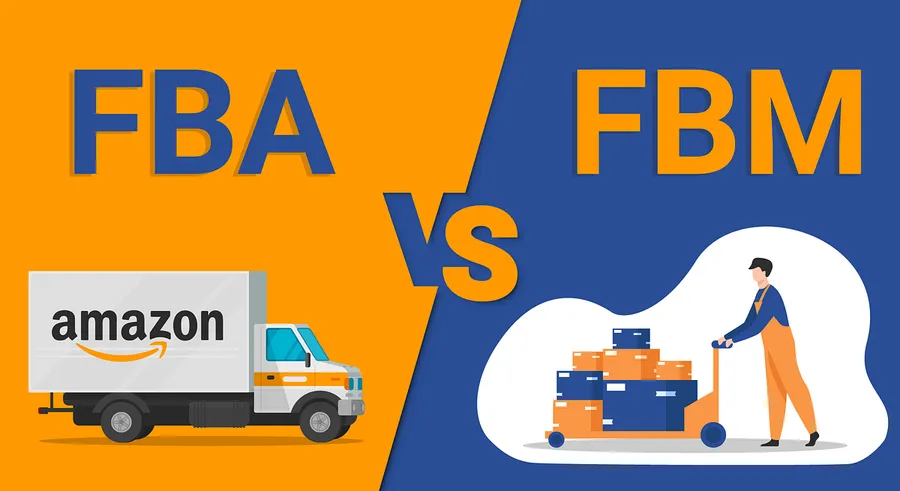
Selling on Amazon comes with many choices. One of the biggest decisions you need to make is how to send products to your customers. Amazon gives you two main options: FBA and FBM. FBA lets Amazon hand
November 28, 2025 · By PrepFort TeamSelling on Amazon comes with many choices. One of the biggest decisions you need to make is how to send products to your customers. Amazon gives you two main options: FBA and FBM. FBA lets Amazon handle storage, packing, and shipping for fees, while FBM means you manage fulfillment yourself with more control but more work.
Choose FBA for high-volume sales and Prime eligibility, or pick FBM for better profit margins and complete control over your products. Each method has good points and bad points. Your choice can change how much money you make and how your business grows. The right method depends on your product type, sales volume, and business goals. But which fulfillment method will actually put more money in your pocket?
What are FBA and FBM?
Before diving deep, you need to understand what these terms mean and how they work.
What is Fulfillment by Amazon (FBA)?
FBA means you send your products to Amazon's warehouses. Amazon stores your items for you. When someone buys your product, Amazon picks it, packs it, and ships it to the customer. They also handle returns and answer customer questions. You pay Amazon fees for doing all this work, but you save a lot of time.
What is Fulfillment by Merchant (FBM)?
FBM means you do everything yourself. You store products at your home or warehouse. When orders come in, you pack the items and ship them. You also handle customer service and any returns. Some sellers use 3PL fulfillment services to help with storage and shipping. This gives you more control but takes more time and effort.
Pros and Cons of FBA
Understanding both sides helps you make a smart choice for your business needs.
Pros
- Your products get the Prime badge automatically, which attracts more customers and helps you sell faster than non-Prime sellers.
- Amazon handles all customer service, returns, and complaints 24/7, so you never worry about answering emails or handling refund requests yourself.
- FBA products rank higher in Amazon search results, giving you better visibility and more chances to win the Buy Box.
- You save tons of time on packing and shipping, allowing you to focus on finding new products and growing your business.
Cons
- Amazon charges multiple fees, including storage, fulfillment, and long-term storage fees that can quickly eat into your profit margins if not calculated.
- Products must follow strict prep and labeling requirements, and Amazon rejects shipments that don't meet their exact packaging standards and guidelines.
- Return rates are often higher because Amazon makes it super easy for customers to return items within 30 days for any reason.
- You lose control over packaging and branding, missing opportunities to create memorable unboxing experiences or add personal touches for customers.
Pros and Cons of FBM
FBM works differently and fits certain business types better than others.
Pros
- You control every aspect of packaging and can add thank you cards, special wrapping, or branded materials to create memorable customer experiences.
- Profit margins are often higher because you avoid Amazon's multiple fees, keeping more money from each sale in your own pocket.
- You can choose any shipping company and switch carriers anytime if you find better rates or faster service for your customers.
- For Amazon FBA prep and labeling, many sellers choose prep centers like PrepFort to handle the work without paying FBA fees.
Cons
- FBM sellers need their own storage space at home or in a warehouse, which costs money and requires careful inventory management.
- Packing and shipping every order yourself takes significant time and effort, especially during busy seasons when orders increase dramatically each day.
- Your products have lower chances of winning the Buy Box because Amazon favors FBA sellers in their algorithm and search rankings.
- Scaling your business becomes challenging without proper systems, as handling hundreds of daily orders manually is nearly impossible without help.
Key Factors to Consider
Several important things should guide your decision between FBA and FBM fulfillment methods.
Product Size and Type
Big and heavy items cost more with FBA. Small, light products work great for FBA pricing. If you sell fragile things that need special care, FBM might be better. Custom products or handmade items often do well with FBM because you control quality. Standard products that move fast fit perfectly with FBA.
Sales Volume
How many products do you sell each month? High-volume sellers benefit from FBA's fast system. Low-volume sellers might save money with FBM. Seasonal products need careful planning. Using warehousing services can help you handle busy times without paying year-round storage fees at Amazon.
Your Budget and Profit Margins
Money matters in every business decision you make. Calculate all costs for both methods before choosing. FBA has clear fees that Amazon lists on their website. FBM costs include shipping, packing materials, storage space, and your time. Sometimes FBM looks cheaper on paper but takes so much time that you lose money. Other times, FBA fees eat up all your profits.
Storage Space
Do you have room to keep inventory? FBA solves storage problems because Amazon keeps everything. FBM needs warehouse space or room at home. If you're growing fast, storage becomes a bigger issue. Many sellers use e-commerce fulfillment centers to get more space without long-term commitments.
When to Choose FBA
Certain situations make FBA the clear winner for your business growth.
FBA works best when you sell lots of products every month. New sellers without storage space love FBA because it's simple to start. If you want the Prime badge to attract more buyers, choose FBA. Busy sellers who want more free time pick FBA so they can focus on finding new products instead of packing boxes. Standard-sized items that sell quickly make the most money with FBA.
When to Choose FBM
Some sellers find FBM fits their needs better than Amazon's fulfillment service.
Pick FBM when your products are huge or super heavy. Slow-moving items cost too much in FBA storage fees. If you already have a warehouse and shipping partner, FBM makes sense. Sellers who want complete control over packaging and customer experience prefer FBM. Products with thin profit margins often work better with FBM. You can also combine both methods for different products.
Using Both FBA and FBM Together
Many smart sellers use both methods to get the best results.
You don't have to pick just one method forever. Lots of successful sellers mix FBA and FBM based on each product. Send fast-selling, light items to FBA. Handle slow or oversized products yourself with FBM. This strategy gives you flexibility and saves money. Professional Amazon fulfillment services can help manage both types of inventory smoothly.
How to Calculate Which Method Saves Money
Numbers don't lie, so do the math before making your final decision.
Amazon offers a free calculator to compare costs. Enter your product size, weight, and price. The tool shows fees for FBA and potential costs for FBM. Don't forget to add your own costs like storage rent, shipping supplies, and time value. Compare the final profit for each method. Sometimes the difference is small, but other times one method clearly wins. Run these numbers for every product you sell.
Making Your Final Decision
After learning everything, it's time to choose what works for your business.
Think about where you want your business to go in the future. Are you planning to grow fast or stay small? Do you have time to pack orders every day? Can you afford FBA fees? Your answers guide your choice. Remember, you can always switch methods later if something isn't working. Many sellers start with one method and change as their business grows.
Conclusion
Both FBA and FBM have their place in Amazon selling. FBA gives you convenience and the Prime badge, but costs more in fees. FBM offers control and potentially higher margins but requires more work. The best choice depends on your products, sales volume, budget, and business goals. Calculate the real costs, think about your time, and pick what helps you make more profit while keeping customers happy.
Ready to optimize your fulfillment strategy? Get started with PrepFort's intelligent fulfillment solutions and scale your business today!