
How to Reduce Shipping Costs: Smart Strategies for 2026
Shipping costs keep going up every year. In 2024, major carriers raised their rates by about 5.9% on average. For small businesses, this means spending more money just to get products to customers. Th
December 23, 2025 · By PrepFort TeamShipping costs keep going up every year. In 2024, major carriers raised their rates by about 5.9% on average. For small businesses, this means spending more money just to get products to customers. The last mile of delivery alone can eat up 30-40% of your total shipping budget. But here's the good news: you can reduce shipping costs without hurting your service quality.
Smart strategies like optimizing package dimensions, negotiating carrier rates, and using multiple fulfillment locations can slash your expenses by 30-50%. What if you could save thousands of dollars yearly just by making a few simple changes to how you ship?
Understanding Shipping Zones and Network Design
Shipping zones are like circles on a map. Zone 1 starts at your warehouse, and Zone 8 is the farthest away. The farther your package travels, the more you pay. It's that simple.
How Distance Affects Your Shipping Costs
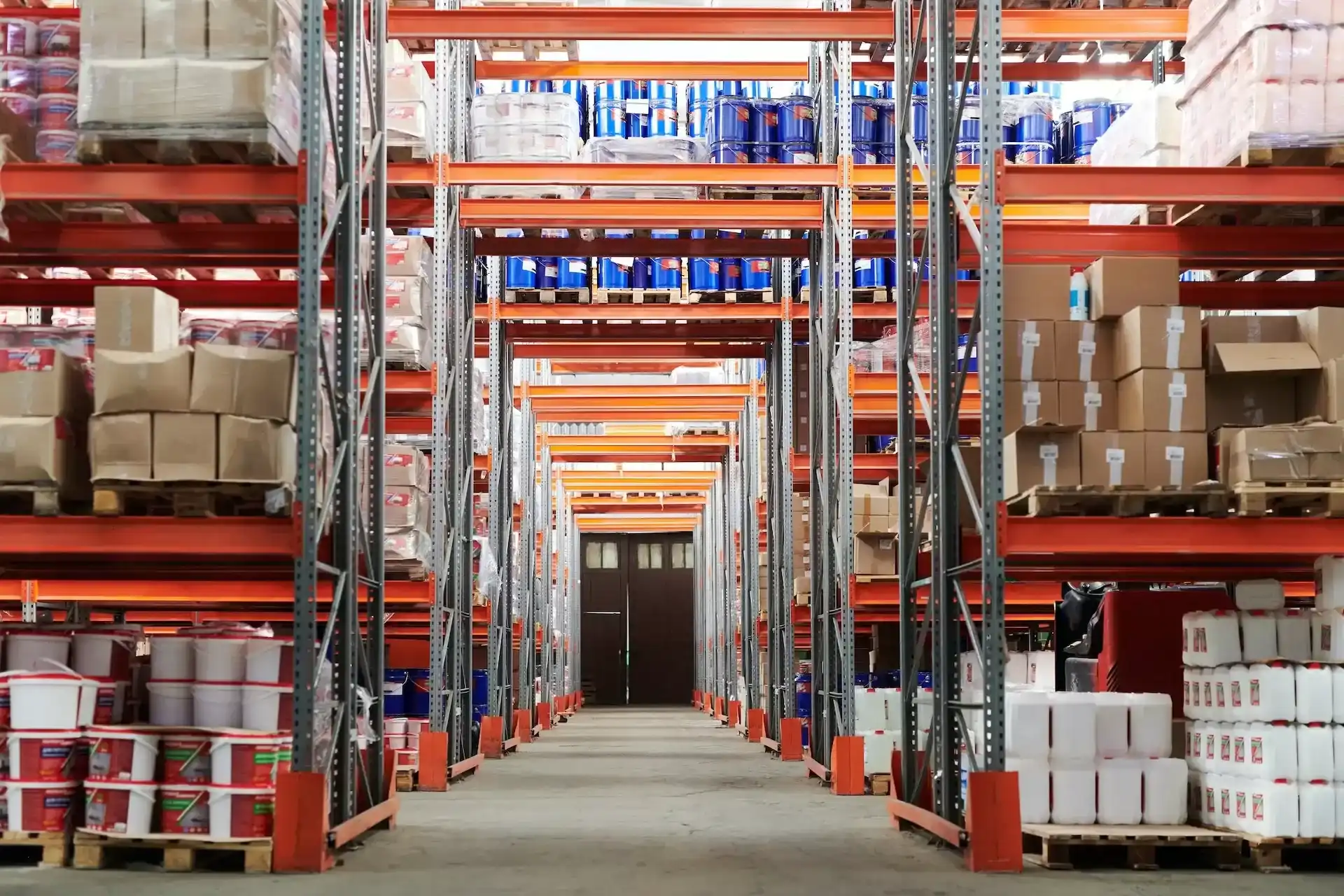
Think about it this way: sending a package across town costs much less than sending it across the country. A package going from California to New York could cost three times more than one going to Nevada. Using storage containers closer to your customers can help you ship from Zone 1 or 2 instead of Zone 6 or 7. This one change can save you 40-50% per shipment.
Smart businesses place their products in multiple locations. If most of your customers are in Texas and Florida, storing inventory near these states makes perfect sense.
Optimize Package Weight and Dimensions
Every ounce counts when you're shipping. Carriers charge based on actual weight or dimensional weight, whichever is higher. Dimensional weight means they calculate the space your box takes up, not just how heavy it is.
Here's a real example: A small item weighing 2 pounds in a big box might get charged as 8 pounds because of wasted space. That's paying for air! Right-sizing your packaging can save 20-30% on shipping costs immediately.
Use smaller boxes that fit your products snugly. Switch to poly mailers for clothes and soft items. Consider weatherproof storage boxes that protect items without adding extra bulk. Remove unnecessary packaging materials like excess bubble wrap or large inserts.
Negotiate Carrier Rates and Volume Discounts
Most small businesses never ask for discounts. That's a costly mistake. Carriers want your business, and they're willing to negotiate, even if you ship just 50-100 packages monthly.
Start by tracking your monthly shipping volume. Then contact your carrier and ask for a discount. Be direct: "Can you offer better rates for my shipping volume?" Many businesses get 10-20% off just by asking. If you ship 500+ packages per month, you could negotiate 25-40% discounts.
Don't be afraid to mention competitors. Saying "FedEx offered me a better rate" often gets UPS to match or beat it. Review your contract every year because your volume changes, and so do carrier policies.
Compare and Use Multiple Carriers
Sticking with one carrier might feel easier, but it costs you money. Different carriers offer better rates for different types of shipments.
USPS works great for lightweight packages under 1 pound. UPS often beats others for ground shipping of heavier items. FedEx excels at overnight and express services. According to recent data, 68% of retailers now use third-party logistics providers for more than half their deliveries.
Check rates for each shipment using carrier calculators. A 5-pound package to Chicago might cost $8 with USPS but $12 with UPS. Those $4 savings add up fast when you ship 100 packages monthly; that's $400 saved.
Leverage Flat Rate and Alternative Shipping Options
Flat rate shipping can be your best friend for heavy items. With a flat rate, you pay one price regardless of weight, as long as it fits in the box.
USPS offers flat-rate boxes and envelopes. If you're shipping a 10-pound item, regular shipping might cost $25, but a flat rate box costs just $15.50. That's 38% savings on one package. These flat-rate portable storage containers provided by carriers are free, saving you packaging costs too.
FedEx One Rate gives similar benefits. Look into hybrid services like UPS SurePost, where UPS handles pickup, and USPS does final delivery. This cuts costs by up to 50% but adds 1-2 days to delivery time.
Consolidate Shipments and Optimize Routes
Sending multiple orders to the same area? Combine them. Consolidation reduces the number of individual shipments you pay for.
If three customers in Dallas order on the same day, consolidating their packages into one shipment to a local distribution point saves money. From there, they can be split for final delivery. This approach works best when you use regional fulfillment centers or work with a logistics partner.
Route optimization software helps drivers take the shortest paths. This matters more if you handle your own deliveries. Better routes mean less fuel, fewer miles, and lower costs. Companies using route optimization report saving 15-20% on delivery expenses.
Offer Alternative Delivery Methods
Not every customer needs home delivery. In fact, 53% of retailers increased their use of pickup points in 2023, and this number keeps growing.
Offering in-store pickup saves you the entire last-mile delivery cost. That's the most expensive part of shipping. Locker deliveries through Amazon Locker or similar services cost less than doorstep delivery. Some customers actually prefer picking up their orders because they have more control over timing.
Consider partnering with convenience stores or gas stations for pickup locations. Customers grab their packages when convenient, and you save $3-5 per delivery.
Partner with 3PL or Fulfillment Services
Third-party logistics (3PL) providers ship thousands of packages daily. This volume gets them massive discounts that they pass to you.
A 3PL partner can save you 30-40% on shipping costs compared to doing everything yourself. They have warehouses in multiple locations, which solves the shipping zone problem. They also provide the technology to track everything without you buying expensive software.
Using moving and storage solutions strategically placed near your customer base creates the same benefit. You store products closer to buyers and ship from the nearest location. One company reported saving over $400,000 yearly just in postage after switching to a fulfillment partner.
Beyond shipping discounts, you save on warehouse rent, staff wages, packing supplies, and software. You get back time to focus on growing your business instead of packing boxes.
Conclusion
Reducing shipping costs isn't about finding one magic trick. It's about using several smart strategies together. Start by understanding shipping zones and placing inventory closer to customers. Optimize your packaging to avoid paying for wasted space. Always negotiate with carriers and compare rates across different options. Use flat rate shipping when it makes sense, consolidate orders when possible, and consider letting customers pick up their orders.
Remember, small changes create big savings. Cutting just $2 per package when you ship 1,000 monthly orders saves $24,000 yearly. That's money going straight to your profit.
Ready to cut your shipping costs today? Explore PrepFort's smart storage solutions and start saving on every delivery you make!