
Storage & Warehousing: A Complete Guide to Smarter Business Operations
Storage & warehousing play a central role in how modern businesses manage products, protect inventory, and keep supply chains moving efficiently. Whether a company sells online, serves retail stor
June 1, 2026 · By PrepFort TeamStorage & warehousing play a central role in how modern businesses manage products, protect inventory, and keep supply chains moving efficiently. Whether a company sells online, serves retail stores, or distributes products to wholesalers, the ability to store goods properly and manage warehouse operations well can directly affect profit, customer satisfaction, and long-term growth. Businesses that invest in strong storage & warehousing systems usually gain better control over inventory, faster fulfillment, and fewer operational errors.
In today’s competitive market, storage & warehousing is no longer just about keeping products in a building. It is about creating a structured environment where inventory can be received, organized, tracked, picked, packed, and shipped with as little friction as possible. A well-managed warehouse helps reduce waste, improve order accuracy, and support expansion without adding unnecessary complexity. For many businesses, storage & warehousing becomes one of the most important foundations of scalable operations.
This article explains what storage & warehousing means, why it matters, how it supports business growth, and what features make a warehouse operation more effective. It also covers inventory control, distribution, fulfillment, storage planning, and the role warehousing plays in supply chain efficiency.
What Is Storage & Warehousing?
Storage & warehousing refers to the process of keeping products, raw materials, or finished goods in a secure facility until they are needed for sale, production, or distribution. While the words are often used together, they have slightly different meanings. Storage usually refers to the act of holding goods in a safe space, while warehousing refers to a more organized and operational system designed to manage inventory movement efficiently.
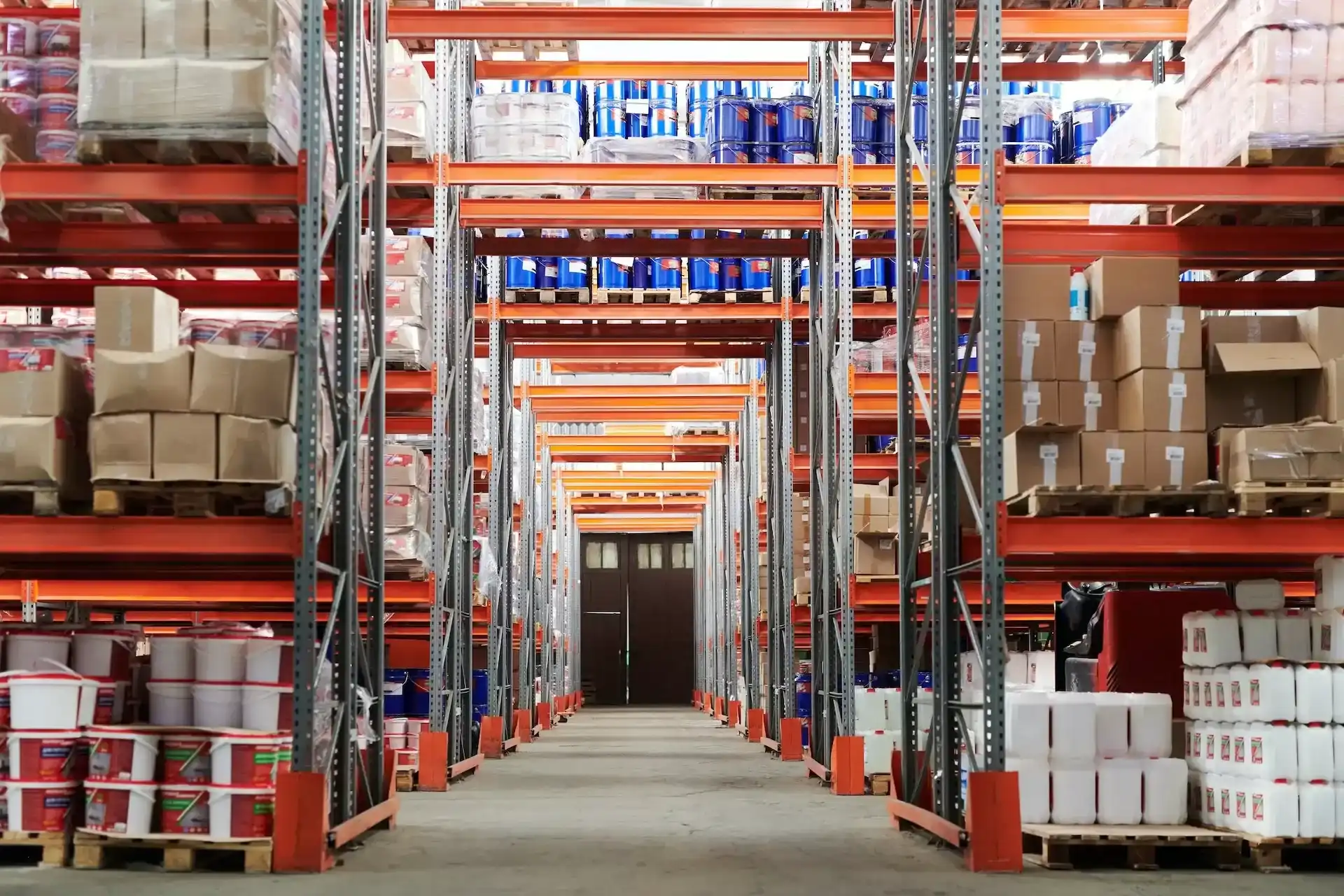
A warehouse is not just a place where items sit on shelves. It is a working environment where goods are received, sorted, stored, tracked, and prepared for shipment. The quality of storage & warehousing affects how quickly products move through the supply chain and how accurately orders are fulfilled.
For businesses handling large product volumes, storage & warehousing provides the structure needed to avoid stock confusion and delivery delays. For smaller businesses, it provides a scalable way to grow without losing control over inventory. In both cases, the goal is the same: keep products organized, accessible, and ready when needed.
Why Storage & Warehousing Matters
Storage & warehousing matters because it affects nearly every part of business operations. If inventory is stored poorly, products may be damaged, lost, or difficult to locate. If warehouse processes are disorganized, orders may be delayed or shipped incorrectly. If stock levels are not tracked properly, businesses may run out of popular items or overstock products that do not move quickly.
A strong storage & warehousing system creates order inside the supply chain. It helps businesses know what they have, where it is located, and when it needs to move. This level of visibility improves planning and reduces stress across the operation.
Storage & warehousing also supports customer experience. When products are stored and managed efficiently, orders can be fulfilled faster and more accurately. That leads to better delivery times, fewer complaints, and greater trust from buyers. In a business environment where customer expectations are high, that advantage matters.
The Role of Inventory in Storage & Warehousing
Inventory is at the center of storage & warehousing. Without effective inventory management, even the best warehouse will struggle to perform well. Businesses need to know exactly how much stock they have, where it is stored, and how fast it is moving.
Inventory Control
Inventory control is one of the most important parts of storage & warehousing. It involves tracking stock levels, preventing loss, reducing shrinkage, and making sure products are available when needed. Good inventory control helps businesses avoid both overstocking and understocking, which can each create financial problems.
Inventory Accuracy
Accurate inventory records make it easier to plan purchases, fulfill orders, and forecast demand. When inventory records do not match physical stock, warehouse operations become less reliable. That is why regular stock checks, barcode scanning, and system updates are often used in professional storage & warehousing environments.
Inventory Movement
Warehouse teams also need to understand how inventory moves. Fast-moving products should be stored in easy-to-access locations, while slower-moving items can be placed in less central areas. This improves picking efficiency and helps staff work faster.
Key Features of Effective Storage & Warehousing
Effective storage & warehousing systems share several important features. These features make the facility more organized, more efficient, and better prepared to support business growth.
Organized Layout
A good warehouse layout makes it easier to store and retrieve products. Items should be arranged in a way that minimizes unnecessary movement and helps workers locate inventory quickly. Clear labeling, aisle planning, and logical storage zones all improve efficiency.
Security and Protection
Products stored in a warehouse should be protected from theft, damage, moisture, and environmental issues. Security systems, controlled access, and proper storage conditions help reduce risk. For businesses handling valuable or fragile goods, this is especially important.
Technology Integration
Modern storage & warehousing often includes warehouse management systems, barcode scanning, inventory dashboards, and automated alerts. These tools help businesses improve visibility and reduce manual errors. Technology makes it easier to manage larger inventories with fewer mistakes.
Scalability
A warehouse should support growth. As a company expands, storage space, inventory volume, and order activity usually increase. A scalable storage & warehousing setup gives the business room to grow without forcing a complete operational overhaul.
Storage & Warehousing and Supply Chain Efficiency
Storage & warehousing plays a major role in supply chain efficiency. The supply chain depends on goods moving through each stage smoothly, from receiving and storage to picking, packing, and shipping. If warehousing is weak, the rest of the supply chain can slow down.
Faster Order Fulfillment
When products are organized properly in storage & warehousing, workers can locate and ship items more quickly. That shortens processing time and improves customer delivery speed. Faster fulfillment gives businesses a competitive edge.
Better Demand Planning
Warehousing also helps businesses monitor inventory trends and demand patterns. When managers can see which products are selling fastest, they can make better purchasing and replenishment decisions. This helps reduce waste and avoid unnecessary stock shortages.
Reduced Operational Costs
Efficient storage & warehousing can reduce labor waste, lower storage costs, and improve stock movement. Businesses that operate with better planning often spend less time correcting errors and more time growing the business.
Types of Storage & Warehousing
Different businesses have different storage needs. That is why there are several types of storage & warehousing models.
Private Warehousing
Private warehousing is used by businesses that want full control over their storage space and operations. This model is often used by large companies with consistent inventory volume and specific handling needs.
Public Warehousing
Public warehousing is a flexible option where businesses rent space as needed. This is useful for companies that do not want to invest in their own facility or need temporary storage support.
Bonded Warehousing
Bonded warehousing is used for goods that are imported and held under customs control until duties are paid. This is especially relevant for businesses working with international trade.
Distribution Warehousing
Distribution warehousing focuses on moving products efficiently to customers, retail stores, or business partners. The main goal is fast turnover and smooth shipment flow.
Storage & Warehousing for E-Commerce
E-commerce businesses depend heavily on efficient storage & warehousing. Online sellers often manage many SKUs, changing demand, and frequent order activity. Without a strong storage and fulfillment process, it becomes difficult to keep customers happy.
Product Handling
E-commerce goods must be easy to receive, store, pick, pack, and ship. A well-structured warehouse allows sellers to manage orders more efficiently and reduce processing mistakes.
Returns Management
Returned items are another reason storage & warehousing matters in e-commerce. Warehouses often help businesses inspect, restock, or process returns efficiently. This keeps inventory records accurate and improves reverse logistics.
Seasonal Demand
Online stores often experience seasonal spikes. Storage & warehousing gives them the flexibility to manage higher volumes without major disruption. Businesses can hold stock in advance and fulfill orders as demand rises.
Storage & Warehousing and Business Growth
Strong storage & warehousing systems support growth in practical ways. A business cannot scale efficiently if inventory is disorganized or if order delays happen frequently. Warehousing helps create the structure needed for expansion.
Supporting Expansion
As businesses add new products or serve new markets, they need more control over inventory. Storage & warehousing helps them expand without losing visibility or efficiency.
Improving Service Levels
Better warehouse operations lead to faster shipments, fewer errors, and more reliable service. That improves brand reputation and helps generate repeat business.
Enabling Strategic Decisions
When warehousing data is accurate, businesses can make better decisions about buying, promotion, pricing, and distribution. Good storage & warehousing creates the visibility needed for smarter growth planning.
Common Problems in Storage & Warehousing
Even with the best intentions, storage & warehousing operations can face common challenges.
Poor Organization
If a warehouse is not organized well, workers may waste time searching for items. That slows down order processing and increases errors.
Inventory Mismatch
When physical stock does not match recorded inventory, it creates confusion and makes planning harder. This can lead to missed orders or over-purchasing.
Space Limitations
Some businesses outgrow their warehouse space before they are ready for a larger facility. Poor storage planning can create bottlenecks and slow down operations.
Labor Inefficiency
When warehouse processes are unclear, workers may duplicate tasks or spend too much time moving goods around unnecessarily. That reduces productivity and raises costs.
How to Improve Storage & Warehousing
Businesses can improve storage & warehousing by focusing on structure, visibility, and process consistency.
Use Better Inventory Systems
Digital inventory systems help businesses track stock more accurately and reduce manual mistakes. These systems should be updated regularly and used consistently across the warehouse.
Improve Layout Design
A better warehouse layout can save time and improve order speed. High-demand products should be stored in accessible locations, while storage zones should be clearly labeled.
Train Staff Properly
Employees need clear procedures for receiving, storing, picking, and shipping products. Proper training reduces errors and improves productivity.
Review Performance Regularly
Warehousing operations should be reviewed frequently to identify bottlenecks, errors, or inefficiencies. Regular audits help businesses stay organized and improve over time.
Storage & Warehousing and Customer Experience
Although customers may never see the warehouse directly, they feel its impact through delivery speed, order accuracy, and product condition. Storage & warehousing affects how professional a business appears to its buyers.
A warehouse that runs well helps customers receive the right product on time and in good condition. That builds trust and encourages repeat purchases. In this way, warehousing becomes part of the brand experience, not just a back-office function.
Final Thoughts
Storage & warehousing is one of the most important parts of any product-based business. It influences inventory control, order fulfillment, supply chain speed, and customer satisfaction. When storage and warehouse operations are organized well, businesses can grow more efficiently and avoid many common operational problems.
The best storage & warehousing systems are built around visibility, structure, and scalability. They help companies keep products safe, track inventory accurately, and move goods quickly when needed. Whether a business is small or large, strong warehousing can create a major competitive advantage.
If your goal is to improve operations, reduce errors, and support future growth, investing in better storage & warehousing is one of the smartest steps you can take. It is not just about holding products. It is about building a system that helps the entire business work better.