
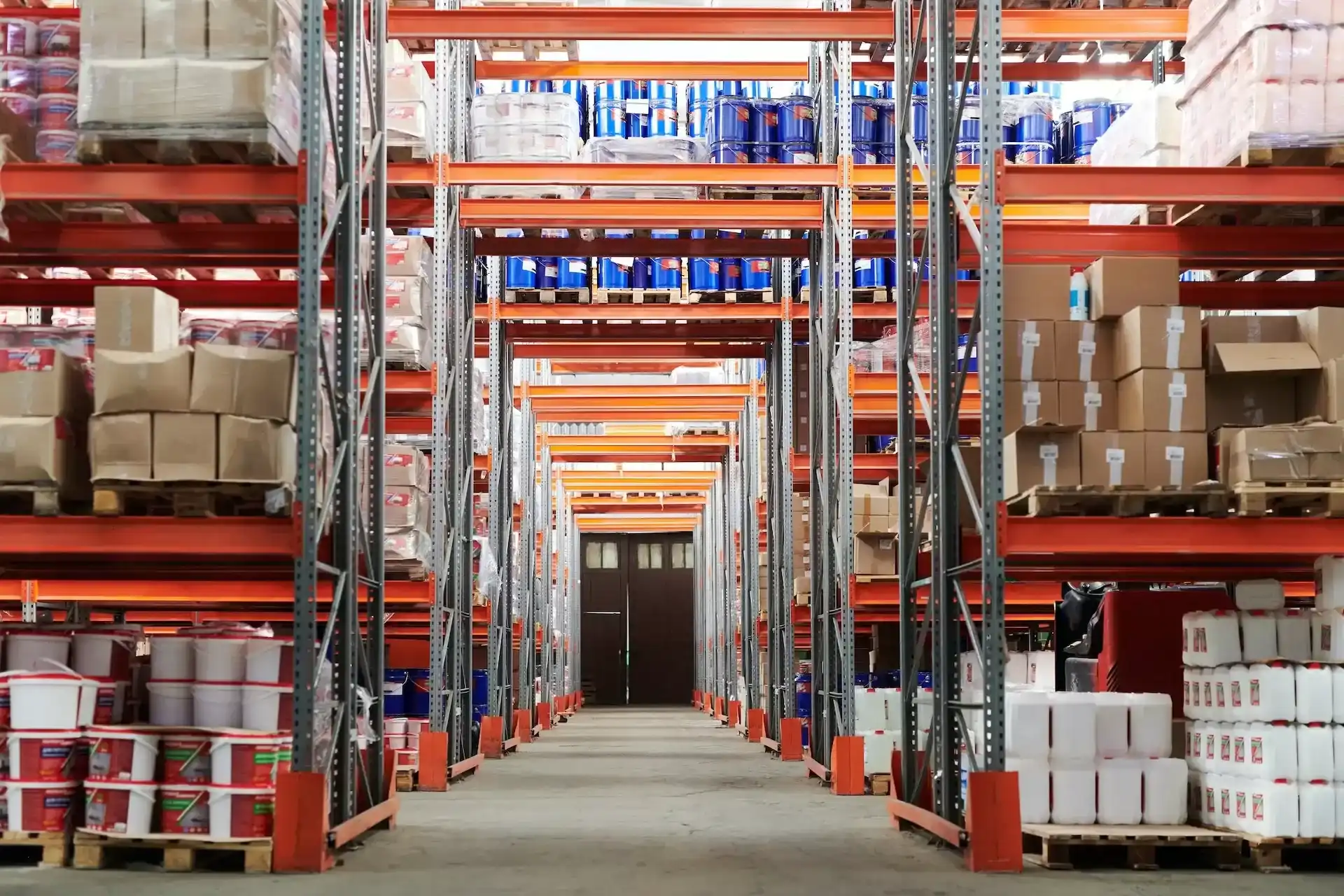
What is eCommerce Fulfillment?
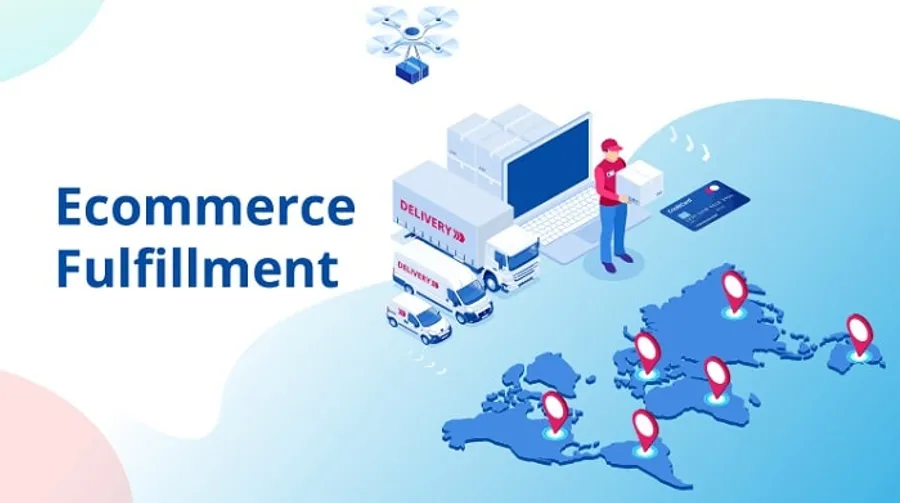
Learn what eCommerce fulfillment is and how it works. This guide covers the fulfillment process, strategies, and how to choose the right model for you.
November 26, 2025 · By PrepFort TeamWhen you click "buy now" on a website, your order travels through a complex system before landing on your doorstep. This process is called eCommerce fulfillment, and it's the backbone of every successful online store.
It involves storing inventory, picking products, packing boxes, and managing delivery timing. Understanding fulfillment helps your business grow and keeps customers happy. This guide explains everything you need to know about eCommerce fulfillment.
Understanding eCommerce Fulfillment
E-commerce fulfillment means getting products from a warehouse to your customers. It covers everything: storing inventory, finding products on shelves, packing boxes, and managing delivery timing. Think of it as the journey your product takes after someone buys it online.
The process involves picking items from storage, packing them safely, and shipping them to buyers. Some Companies even design their routes to avoid left turns at busy intersections. Why? Because every second counts when delivering your package efficiently.
How the Fulfillment Process Works
Inventory Management Comes First
Before shipping anything, you need to know what you have. Inventory management tracks every product in your warehouse. You must order and store raw materials, product components, or finished goods. Most online stores don't make their own products, which makes this step critical.
Warehouse Storage Keeps Products Ready
Products ready for sale need somewhere to live. Warehouse storage can happen in your own space or through a third-party service. Some businesses use spare rooms in their stores. Others rent entire facilities. The choice depends on your order volume and available space.
Order Processing Happens Fast
When customers place orders, your system springs into action. It captures customer details, verifies payment went through, and creates picking lists for your warehouse team. Order processing must be accurate because one wrong item means one unhappy customer.
Picking and Packing Requires Precision
Your team locates products using the picking list. Some warehouses use batch picking (grouping similar orders) or zone picking (assigning specific areas to workers). After picking comes packing with branded packaging and protective materials. The goal? Products arrive safely and create a memorable unboxing experience.
Shipping Gets Products Moving
Shipping carriers like FedEx, UPS, and USPS offer different service levels. Costs depend on weight, package dimensions (called dimensional weight), and shipping zones. Customers expect clear delivery timeframes. If you promise two-day shipping, you must deliver on that promise. Unexpected delays damage the customer experience more than anything else.
Returns Management Completes the Circle
Not every customer keeps what they order. A clear returns policy builds trust. Reverse logistics handles products coming back to your warehouse. You inspect returned items and decide if they can be restocked, refurbished, or must be disposed of. For clothing companies, returns happen often. Electronics companies might need refurbishment programs.
Three Main Fulfillment Strategies discusses the three main fulfilment strategies
In-House Fulfillment
In-house fulfillment means you handle everything yourself. You store products, pack orders, and ship them using your own team and space. This works well for businesses with fewer than 100 orders monthly.
The benefits? Complete control over your fulfillment processes, lower startup costs, and control over packaging style and branding. You might qualify for bulk postage discounts through services like Stamps.com.
The downsides? Scaling becomes difficult. Your team spends time packing boxes instead of growing the business. Storage space limits how much you can sell. You pay full-price shipping without negotiated discounts.
Third-Party Logistics (3PL)
A 3PL provider manages your entire supply chain. They handle inventory storage, order management, freight forwarding, picking, packing, and shipping. Fast-growing startups with small product ranges often choose this option.
Why use a 3PL? They bring supply chain management expertise. You avoid warehouse rental costs. Their fulfillment network offers multiple locations, meaning faster shipping and lower costs for customers. Scaling becomes easy as they handle volume spikes.
The trade-off? You lose some control over shipping processes and returns. Their schedule becomes your schedule. 3PL services charge fees, so calculate if outsourcing makes financial sense.
Dropshipping
Dropshipping means you never touch the products. When someone orders from your store, the supplier or manufacturer ships directly to them. You pay wholesale costs and charge retail prices. The difference is your profit.
Many stores selling Korean cosmetics or imported clothing use this model. They forward orders to dealers in Seoul, who ship directly to American customers.
Benefits include low startup costs and lower overall order fulfillment expenses. You only pay for what customers have already bought, reducing risk.
The problem? You trust the supplier completely. If they ship broken items or delay shipments, customers blame you. Poor customer service from suppliers damages your reputation and sales.
Choosing Your Fulfillment Model
Product Type Matters
Do you sell raw materials or finished goods? Can consumers order directly, or do businesses buy from you for resale? These questions determine your warehouse type, packing materials, timing, and infrastructure needs.
Order Volume Drives Decisions
Manufacturers with large volumes need more warehouse space and automated processes for higher order throughput. New merchants with few products and low volume might self-fulfill at home to start.
Location Affects Speed
Your fulfillment location determines if you meet customer expectations and fulfill orders quickly. It also affects your shipping rate and affordability. Position your fulfillment near customers. Aim for one- or two-day shipping to urban areas where carriers and transportation are plentiful.
Inventory Flow Needs Planning
How long does packaging and processing take? Do you update products regularly? Expect many returns? Understanding your products from an inventory flow standpoint guides fulfillment choices. Apparel companies face different challenges than electronics sellers.
Why Fulfillment Centers Matter
Traditional warehouses store goods long-term. Fulfillment centers do more. They house inventory plus offer value-added services like ecommerce order fulfillment.
When order volume increases beyond your capacity, outsource to a fulfillment partner. You gain logistics experts without managing physical space or staff. Inventory management improves. Overhead expenses decrease. You tap into a curated carrier network for better shipping rates.
A good 3PL partner becomes an extension of your team. They offer real-time inventory tracking through warehouse management systems. You forecast supply and demand better. Integration with platforms like Shopify or SAP systems keeps data flowing.
The right partner helps with personalized packaging based on customer demographics, spending habits, or special occasions. Custom boxes, inserts, and coupons shape the customer experience and drive repeat business.
Making Fulfillment Work Better
Smart businesses use technology to improve operations. Shipping software compares rates across multiple carriers and automates label printing. Inventory management software tracks stock across warehouses and sets reorder points.
Control costs by negotiating shipping rates, especially with decent volume. Right-size boxes to reduce costs from dimensional weight. Use eco-friendly packaging materials without compromising safety.
During peak seasons like Black Friday and Cyber Monday, forecast demand using sales history. Stock up early to avoid supply chain disruptions and stockouts. Hire temporary staff early and train them properly.
The Future of Order Fulfillment
Automation is changing warehouses. Robots move inventory while AI manages stock levels. Hyperlocal fulfillment with mini centers near cities enables same-day or even one-hour delivery.
Customers grow less patient. They want speed, even if it costs extra. Sustainability matters too. Businesses focus on green shipping, eco-friendly packaging, and waste reduction.
Final Thoughts
E-commerce fulfillment might seem complex, but understanding it helps your business grow. The right strategy depends on your order volume, product type, and budget. Small businesses might start in-house. Growing companies benefit from 3PL expertise. Dropshipping works for testing new products.
Remember: customers want fulfillment to feel like magic. They click a button, and packages appear. Choose a strategy that creates that experience. Whether you handle it yourself or partner with experts, focus on speed, accuracy, and customer satisfaction.
Ready to take your fulfillment to the next level? PrepFort specializes in helping eCommerce businesses streamline their order fulfillment process. Our team provides customized solutions that reduce costs, improve delivery times, and keep your customers happy. Don't let fulfillment hold back your growth. Contact PrepFort today and discover how we can transform your shipping operations into your competitive advantage.