
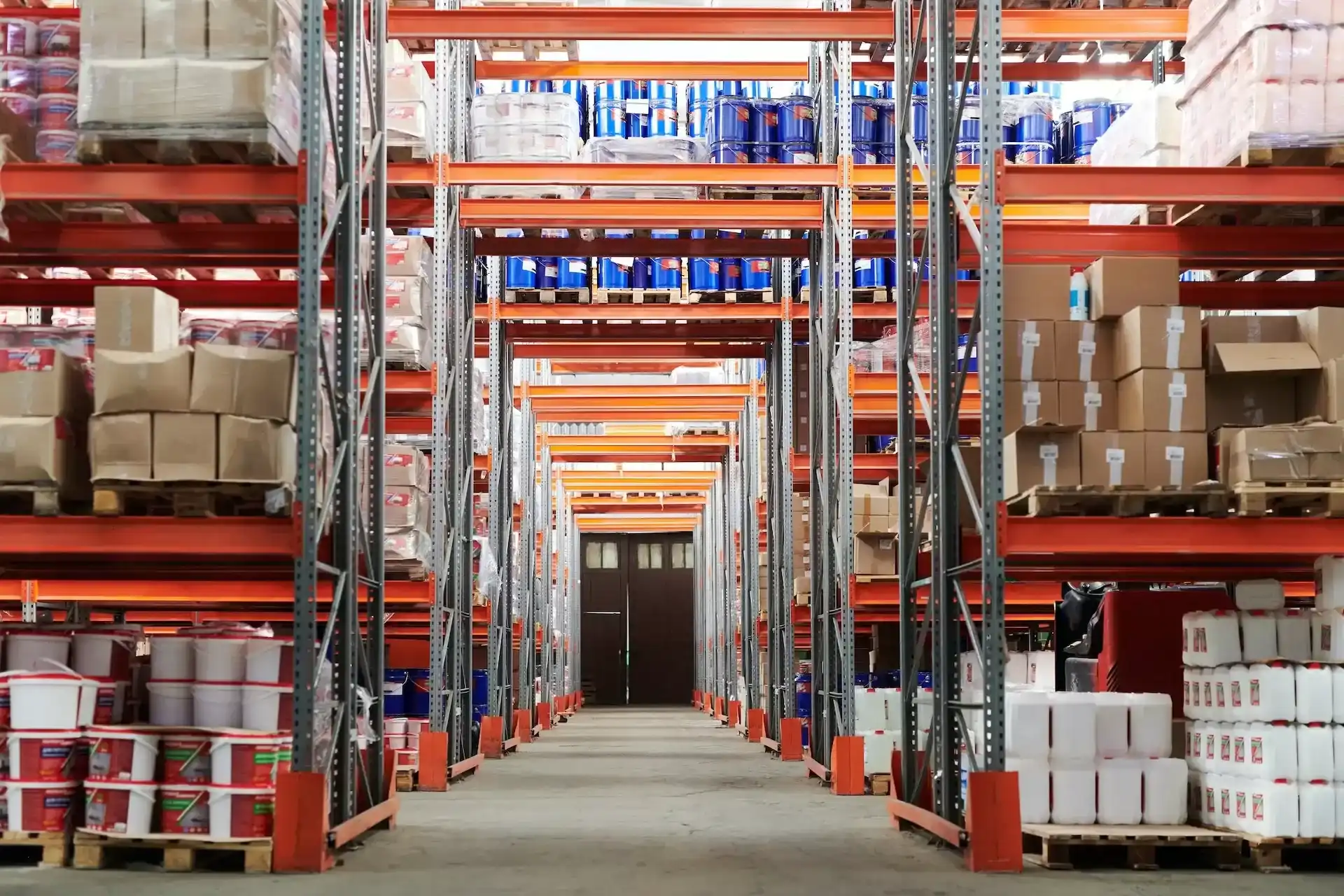
What is Retail Fulfillment? B2B vs. B2C Fulfillment
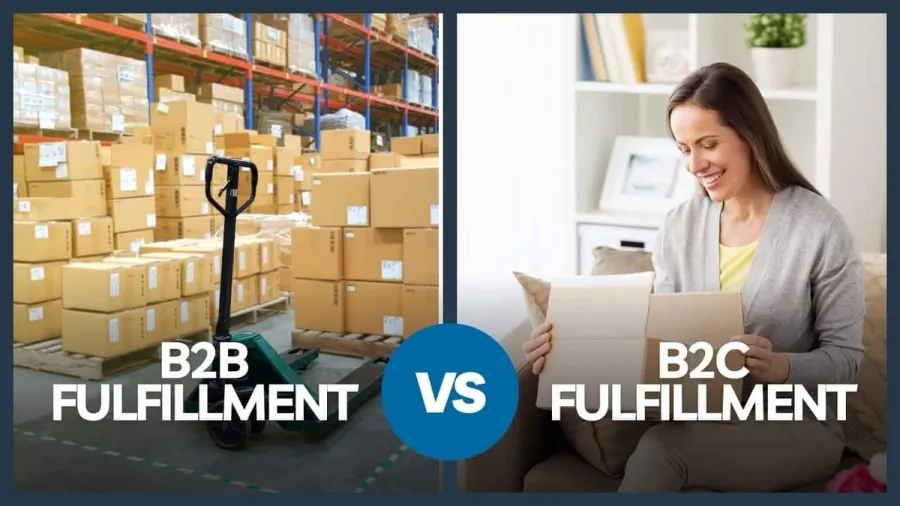
Learn the key differences between B2B and B2C fulfillment. Discover how retail fulfillment works, from bulk orders to individual shipping, and choose the right model for your business.
November 27, 2025 · By PrepFort TeamRunning an online store means getting products to customers, but not all orders are the same. Retail fulfillment ships products to stores that resell to consumers, while B2B fulfillment handles bulk orders between businesses, and B2C fulfillment delivers individual items directly to shoppers' homes. Some orders go to people's houses while others go to big retailers or wholesalers. B2B operations involve larger quantities, complex regulations, and strict delivery schedules.
B2C deals with smaller, frequent orders that need speed and great packaging. Understanding these differences helps you ship smarter, avoid costly mistakes, and grow your business faster. But which fulfillment model fits your business best, and can you handle both successfully?
What is Retail Fulfillment?
Retail fulfillment means sending products to stores instead of individual shoppers. Think of a clothing brand sending boxes to Target or Walmart. These stores then sell those items to their customers. It's part of B2B fulfillment but with special rules. Each store has its own way of doing things. You need to follow their guidelines exactly or face penalties. This type of shipping takes more planning than sending one shirt to someone's house.
Understanding B2B Fulfillment
Business-to-business fulfillment connects companies. One business ships products to another business. The receiving company might be a store, a wholesaler, or even an office needing supplies.
What Makes B2B Different
When businesses order from you, they buy in bulk. They're not ordering one coffee mug. They're ordering 500 coffee mugs. These large orders happen less often but mean more money per sale. Companies plan ahead and stock up. B2B & Retail Fulfillment requires strong systems to handle these big shipments smoothly.
How B2B Orders Work
B2B orders follow a structured workflow that keeps businesses running smoothly. Here's what happens:
- Purchase Orders: Businesses send detailed purchase orders listing exact quantities, product codes, delivery dates, and shipping addresses. Everything is documented upfront before any work begins on the order.
- Warehouse Picking: Your team picks large quantities from inventory using forklifts and pallet jacks. Items get organized by SKU numbers and checked multiple times to ensure complete accuracy.
- Freight Shipping: Products ship via freight trucks or cargo containers instead of regular delivery vans. Heavy pallets require special loading equipment and coordination with freight carriers for pickup.
- EDI Communication: Computer systems automatically share order updates between companies. EDI eliminates paperwork and speeds up the entire process while reducing human errors significantly throughout the transaction.
Understanding B2C Fulfillment
Business-to-consumer fulfillment sends products straight to people's homes. When someone buys a phone case online, that's B2C. It's the most common type of ecommerce today.
What Makes B2C Special
Individual shoppers want their stuff fast. They order smaller amounts but place orders all the time. Your system needs to handle hundreds of small packages going to different addresses. E-Commerce Fulfillment focuses on speed and accuracy to keep customers happy and coming back.
How B2C Orders Work
The B2C process moves fast to meet customer expectations. Here's the workflow:
- Order Placement: Customers click buy on your website or marketplace. The order instantly enters your fulfillment system with all shipping details and payment confirmation ready for processing.
- Quick Picking: Warehouse staff pick individual items from shelves using handheld scanners. Each product gets scanned to verify accuracy before moving to the packing station for final preparation.
- Attractive Packaging: Items go into branded boxes with protective materials and nice touches. Good packaging creates a memorable unboxing experience that encourages customers to share on social media.
- Fast Shipping: Packages ship through USPS, UPS, or FedEx within 24 hours. Tracking numbers get sent to customers immediately so they can follow their order every step of the way.
B2B vs. B2C: Key Differences
Let's compare these two fulfillment types side by side.
Order Size Matters
B2B orders are huge. One retailer might order 1,000 units at once. B2C customers usually buy one or two items. This affects everything from packaging to shipping costs. You need different strategies for each.
Packaging Requirements
Businesses want sturdy boxes that protect products during long trips on pallets stacked high. Regular shoppers care about pretty packaging and easy opening experiences. B2B uses industrial materials built for durability. B2C focuses on looks and creating positive customer experiences that build brand loyalty.
Shipping Methods
B2B shipments travel by freight trucks or even cargo ships for really big orders. B2C packages go through standard parcel services. Warehousing & 3PL Fulfillment helps manage both types with expert handling.
Speed Expectations
Businesses plan weeks ahead for deliveries. Shoppers want products yesterday. B2C demands faster fulfillment. B2B values reliability and meeting scheduled delivery windows more than pure speed.
Pricing Structure
B2B prices change based on order size and relationships. Wholesale prices run 30% to 50% less than retail. B2C keeps fixed prices for everyone, except during sales.
Payment Terms
Companies often pay 30 or 60 days after delivery. Individual customers pay immediately with credit cards. This affects your cash flow planning.
The Retail Fulfillment Process
Shipping to retailers involves specific steps you must follow perfectly.
Building Retail Relationships
Getting into stores takes work. You need connections, great products, and the ability to meet their demands. Each retailer has strict requirements. Missing them means losing the account.
Understanding Routing Guides
Every big retailer gives you a routing guide. This thick document explains exactly how they want products delivered. It covers pallet sizes, labeling rules, delivery times, and dock procedures. Read it carefully. Follow every rule.
EDI Compliance
EDI systems let computers talk to computers about orders. Major retailers require this. Setting up EDI takes time but makes everything smoother. Amazon FBA & Walmart WFS preparation includes proper EDI handling for seamless marketplace integration.
Avoiding Chargebacks
Retailers charge penalties for mistakes. Late deliveries, wrong labels, or missing paperwork trigger these fees. They can be expensive. Some charge per item. Others take a percentage of your sale. Avoid them by being perfect every time.
Why Use Fulfillment Partners
Handling fulfillment yourself gets complicated fast. Professional help makes sense.
Benefits for Your Business
Expert fulfillment companies know all the rules. They have EDI systems ready. They understand routing guides from dozens of retailers. You avoid costly mistakes. Plus, they have warehouse space and equipment you'd otherwise need to buy. Kitting & Assembly services add even more value for complex product preparation.
Choosing the Right Partner
Look for companies with retail experience. Check if they handle both B2B and B2C. Make sure they offer real-time tracking. Ask about their EDI capabilities. Good customer service matters when problems arise.
Best Practices
Keep these tips in mind for success.
Manage Inventory Smartly
Separate your B2B and B2C inventory. They need different handling. Forecast demand for each channel. Keep extra stock for big wholesale orders. Automate reordering when possible.
Focus on Accuracy
One mistake in B2C costs you one customer. One mistake in B2B costs you thousands of dollars and future orders. Quality control is everything. Double-check everything before shipping.
Conclusion
Retail fulfillment and understanding B2B versus B2C operations help you grow strategically. Each model serves different customers with unique needs. B2B brings bulk orders and steady relationships.
B2C delivers volume through individual sales. Both matter for a successful business. The right systems and partners make handling both possible without stress.
Ready to streamline your fulfillment? Get started with PrepFort and scale your business today!
FAQs
Q: What is the main difference between B2B and B2C fulfillment?
B2B ships large bulk orders to businesses for resale, while B2C sends individual items directly to consumers at their homes for personal use.
Q: What is retail fulfillment?
Retail fulfillment ships products to stores like Target or Walmart that resell them to shoppers, following strict compliance requirements and delivery schedules.
Q: Do I need EDI for retail fulfillment?
Yes, most major retailers require EDI systems for automated order processing, real-time communication, and smooth transactions between trading partners.
Q: What are routing guides?
Routing guides are detailed instruction documents from retailers explaining exactly how they want shipments delivered, including timing, labeling, and dock procedures.