
Returns Management & Reverse Logistics: A Guide for E-commerce Success
Online shopping has transformed consumer behavior and retail operations worldwide. When customers decide to send products back, two critical processes come into action: returns management and reverse
December 23, 2025 · By PrepFort TeamOnline shopping has transformed consumer behavior and retail operations worldwide. When customers decide to send products back, two critical processes come into action: returns management and reverse logistics. These systems work together to ensure smooth handling of returned merchandise.
Returns management focuses on the customer experience when handling product returns, while reverse logistics manages the physical movement of goods back through the supply chain. Both are essential for e-commerce success.
Consider these surprising statistics: about 30-35% of products bought online get returned. Compare that to physical stores, where only 9% of items come back. For every $100 worth of products sold online, roughly $30 makes the return journey. These numbers demonstrate why businesses need intelligent systems to handle returns without losing money or frustrating customers.
Understanding how returns work goes beyond just getting packages back. The process involves keeping customers satisfied, saving money, and protecting the environment. Are you treating returns as a problem to solve, or as an opportunity to build stronger customer relationships?
What is Returns Management?
Returns management represents the customer-centric approach to handling product returns. This process begins the moment a customer initiates a return request and concludes when they receive their refund or replacement product.
The returns management process includes several essential steps. Customers reach out through email, phone, or a return portal to start their return. They then ship the product back to your warehouse or fulfillment center. Your team inspects the returned item to verify it matches the return request, a step called Return Merchandise Authorization (RMA).
Following inspection, you either send a replacement product or issue a refund. Throughout this process, documenting the return reason becomes vital. Was the item the wrong size? Did it arrive damaged? This information drives business improvements. Finally, you determine the returned item's fate: restocking, repair, or recycling.
Effective returns management makes customers feel valued. When shoppers experience smooth returns, they show a higher likelihood of repeat purchases. Research indicates 62.58% of online shoppers expect businesses to accept returns within 30 days. Meeting this expectation builds trust and loyalty.
For businesses seeking operational efficiency, third-party logistics providers can handle the entire returns process professionally.
What is Reverse Logistics?
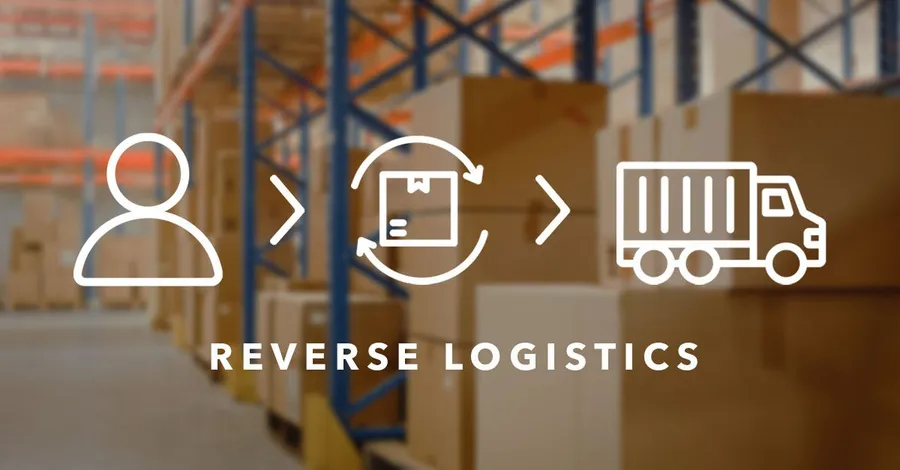
Returns management focuses on customer experience, while reverse logistics handles the physical journey of products moving backward through the supply chain.
Reverse logistics encompasses everything from collecting returned items to transporting them, inspecting their condition, and determining their ultimate disposition. This behind-the-scenes operation makes returns possible. The process includes moving products from customers back to warehouses, sorting them by condition, and deciding whether items can be resold, repaired, or recycled.
Consider a returned pair of shoes. Reverse logistics manages how those shoes travel from the customer's doorstep back to the warehouse. Workers inspect them, check for damage, and determine if they return to inventory or require special handling.
The reverse logistics process also manages warranty repairs, product recalls, and item disposal. This complex system demands careful planning and coordination. Companies employ specialized software to track every returned item and prevent losses in the system.
Many businesses collaborate with experts in warehouse management to handle these complex reverse logistics operations efficiently.
Key Differences Between Returns Management and Reverse Logistics
Understanding the distinctions between these two concepts helps businesses build superior return systems.
Scope and Focus: Returns management specifically addresses customer returns and exchanges. Reverse logistics encompasses a broader range, including returns, repairs, refurbishment, recycling, and product recalls. Returns management actually functions as a subset of reverse logistics.
Customer vs. Operations: Returns management prioritizes customers above all. The design facilitates easy, stress-free product returns. Reverse logistics emphasizes operational efficiency—moving products quickly, reducing costs, and recovering value from returned items.
Primary Goals: Returns management aims to keep customers satisfied and encourage repeat business. Reverse logistics seeks to minimize costs and maximize value recovery from returned products. One builds relationships, the other protects profits.
Activities Involved: Returns management includes creating return policies, communicating with customers, processing refunds, and providing support. Reverse logistics handles transportation, inspection, sorting, disposition decisions, and managing the physical flow of goods backward through the supply chain.
Both components work together to create a complete return system. Effective returns require good logistics, and logistics prove meaningless without positive customer experiences.
Why Returns Management and Reverse Logistics Matter for Your Business
These processes directly impact your bottom line and brand reputation through multiple channels.
Building Customer Trust and Loyalty
Your return policy can determine whether a sale happens or falls through. Research shows 60% of shoppers review return policies before making purchases. When customers know they can easily return something, their confidence increases. Free return shipping, full refunds regardless of reason, and extended return windows all boost customer satisfaction. A single negative return experience can lose a customer permanently, while smooth processing creates loyal brand advocates.
Cutting Costs and Recovering Value
Returns carry significant expenses, approximately 60% of the product's sale price for items under $50 when accounting for shipping, handling, and processing. Intelligent reverse logistics reduces these losses substantially. Quick inspection of returned items gets sellable products back on shelves rapidly. Refurbished items sell at modest discounts. Even damaged products may contain salvageable parts. Every dollar recovered from returns improves profit margins.
Efficient order fulfillment and distribution systems ensure returned items are processed quickly and cost-effectively.
Managing Inventory Better
Returned products require proper handling and placement. Quality reverse logistics systems track every returned item and update inventory in real-time. This prevents overselling unavailable items. The system also reveals patterns, if identical products consistently return, quality issues may exist. These insights improve demand forecasting and enable smarter purchasing decisions. Superior inventory management means less capital tied up in warehouse stock.
Protecting the Environment
Billions of returned products end up in landfills annually. This represents both waste and environmental harm. Modern reverse logistics emphasizes sustainability. Products get refurbished and resold rather than discarded. Materials undergo recycling when items cannot be repaired. Some companies transform returned products into new merchandise. Customers increasingly value environmental responsibility, 72% indicate willingness to pay premium prices for sustainable products. Green reverse logistics benefits both the planet and business performance.
Best Practices for Effective Returns and Reverse Logistics
Implementing strategic approaches can transform returns from obstacles into advantages.
Automate Everything Possible: Manual return processing proves slow and error-prone. Software that automatically generates return labels, tracks packages, and updates customers cuts processing time by up to 40% while reducing mistakes.
Create Crystal-Clear Policies: Return policies should be easily accessible and understandable. Use straightforward language. Specify timeframes, conditions, and any fees upfront. Customers dislike surprises. Transparent policies reduce confusion and disputes.
Analyze Your Returns Data: Monitor which products return most frequently and identify reasons. If one item shows a 50% return rate, immediate investigation becomes necessary. Product photos might mislead, or sizing might run small. This data provides invaluable insights for improving offerings.
Offer Multiple Return Options: Some customers prefer dropping returns at stores. Others choose mail returns. Providing choices improves satisfaction levels. Consider partnerships with local drop-off locations or offering pickup services for expensive items.
Train Your Team: Everyone involved in returns needs proper training. Customer service representatives should handle return requests with empathy. Warehouse workers must inspect items correctly. Quality training accelerates processes and reduces errors.
Partner with Experts: Managing returns internally becomes challenging, particularly during growth phases. Third-party logistics providers specialize in reverse logistics. They possess the systems, experience, and scale to handle returns efficiently. This allows you to focus on sales while experts manage returns.
Companies offering comprehensive e-commerce fulfillment solutions can integrate returns management seamlessly into your operations.
Technology's Role in Modern Returns Management
Contemporary return systems depend heavily on technology for smooth operations.
Modern returns management software creates customer-friendly portals where shoppers initiate returns independently. They select reasons, print labels instantly, and track return status in real-time. This self-service approach reduces customer support tickets by up to 35%.
Artificial intelligence detects fraudulent returns before they cost money. Some customers abuse return policies through "wardrobing", buying items, using them once, then returning them. Intelligent systems flag suspicious patterns like customers who return 80% of purchases.
Integration proves crucial. Your returns system should connect with your e-commerce platform, warehouse management system, and inventory software. When systems communicate effectively, data flows smoothly without gaps.
Analytics dashboards display exactly what happens with returns. You can view return rates by product, reason, and customer segment. This visibility helps identify problems early and measure improvement over time.
Conclusion
Returns management and reverse logistics represent two sides of the same coin. One emphasizes customer satisfaction, the other operational efficiency. Together, they create a complete system for handling returned products. With online return rates at 30-35%, businesses cannot afford to ignore these processes.
Intelligent returns handling reduces costs, builds customer loyalty, improves inventory management, and supports sustainability. Success requires combining customer-friendly policies with efficient logistics operations. Technology automates and analyzes. Expert partnerships provide specialized support when needed.
Ready to transform your returns process into a competitive advantage? Discover how PrepFort's fulfillment solutions can streamline your returns management and boost customer satisfaction today.